
July 2025-December 2025
Women’s Peace and Humanitarian Fund: Rapid Response Window
Women Unlimited Eswatini
ESwatini Action Group Against Abuse (SWAGAA ,Deputy Prime Minister's Office-Department of Gender and Family Issues
The goal of the project is to strengthen the role of women in Eswatini in the national dialogue process in Eswatini, ensuring inclusion and political support for women’s content both at the national and regional level dialogues.
The project targets all the four regions in Eswatini (Hhohho, Manzini, Shiselweni and Lubombo Region)
The project will begin with a series of inception and mobilization meetings across the four regions of Hhohho, Manzini, Shiselweni, and Lubombo, laying the foundation for stakeholder engagement and project planning. Early in the implementation phase, advocacy meetings will be held with the Gender Unit and Senate leadership in Lobamba and Mbabane to secure high-level support for women’s participation in peacebuilding.
To strengthen leadership and capacity, targeted training sessions will be conducted for women leaders, parliamentarians, and legislators, equipping them with the knowledge and tools to effectively champion women’s roles in peace processes. Engagement meetings with civil society representatives, both in Manzini and virtually, will facilitate dialogue on women’s representation in peacebuilding and the sharing of best practices.
The initiative will also involve strategic visits and engagements with the SADC Secretariat, the SADC Women Parliamentary Forum, and the newly established SADC Southern Africa Women Peace-Builders Forum in Gaborone, Botswana, fostering regional collaboration and knowledge exchange. At the national level, a Women’s Movement National Mobilization and Agenda Setting Conference will be convened in Pigs Peak, Northern Hhohho, bringing together diverse stakeholders to define a shared vision for women’s participation in peacebuilding.
To guide the project’s strategic direction, a roadmap and scenario planning meeting will be held in Mbabane, ensuring clear pathways for action. Finally, advocacy meetings with the Gender Unit at the Deputy Prime Minister’s Office, Cabinet members, and other state actors in Mbabane and Hhohho will advance a shared national peace agenda that fully integrates women’s voices and priorities.
The project will capacitate 25 women leaders, parliamentarians, legislators, and youth leaders in mediation and peace-building advocacy, equipping them with the skills to effectively influence decision-making processes and promote inclusive governance. Advocacy and engagement meetings will be held with the SADC Secretariat, the Gender Unit, and government leaders to advance the protection of women’s rights and promote gender equality in leadership positions. Through these consultations, a shared agenda will be developed, outlining women’s participation, roles, and key asks in both current and future national dialogue processes, ensuring that women’s voices are meaningfully integrated into peace-building and governance efforts.
The project is expected to strengthen women’s participation in Eswatini’s national and regional dialogue processes, ensuring their voices are recognized in decision-making and peacebuilding. By capacitating women leaders, youth, and legislators, and engaging with key stakeholders like SADC and the Gender Unit, the initiative will promote gender equality in leadership and foster a shared agenda for women’s roles in national dialogues. Over time, this will encourage more inclusive communities and households where peace is recognized as a shared responsibility among women, men, and youth.
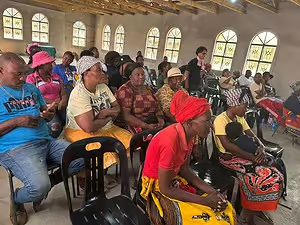
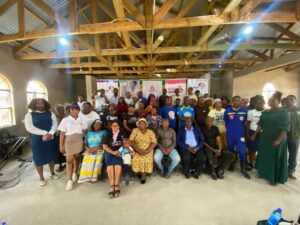
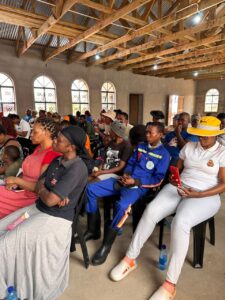
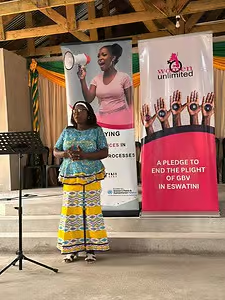
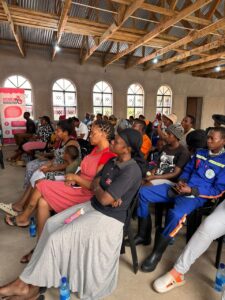
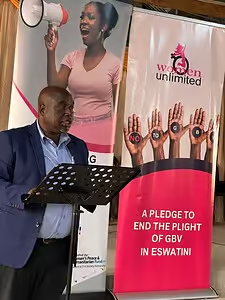
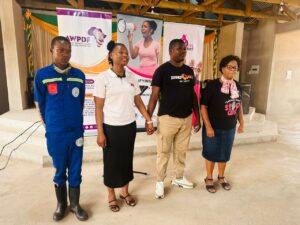
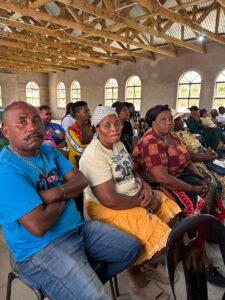
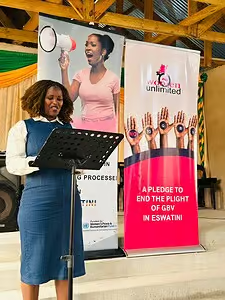
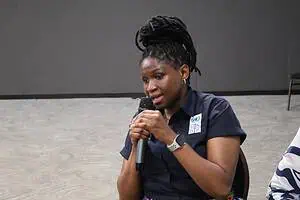
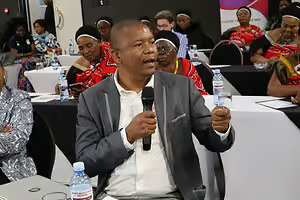
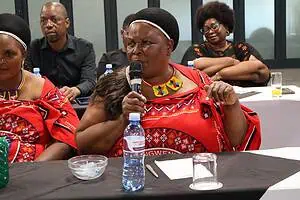
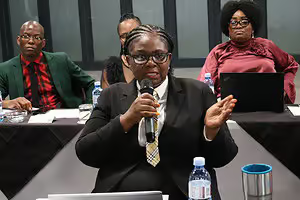
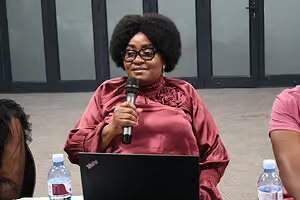
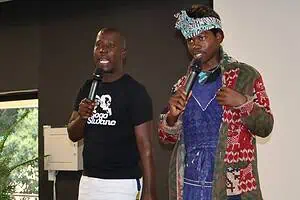
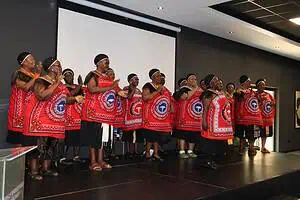
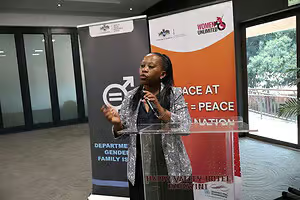
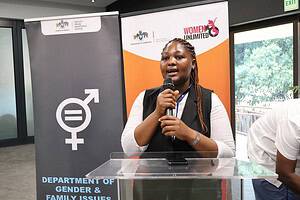
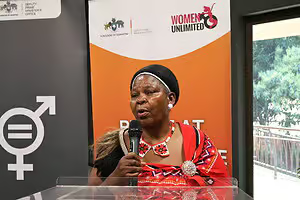
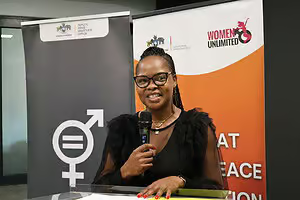
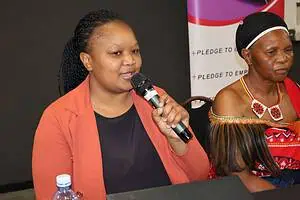
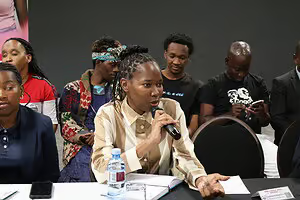
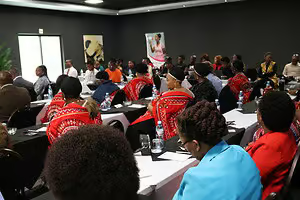
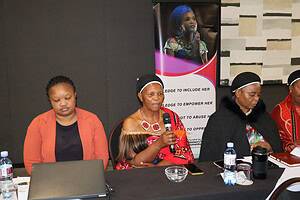
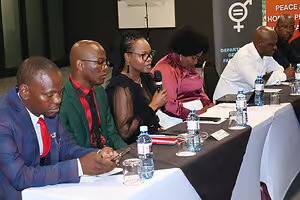
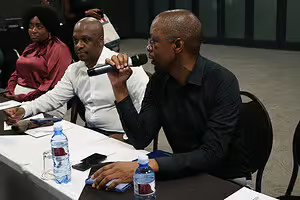
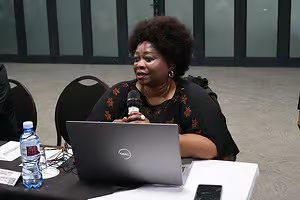
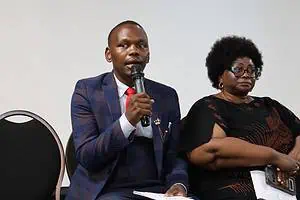
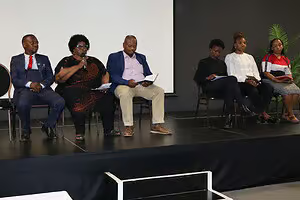
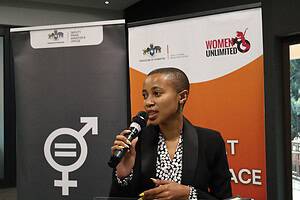
The project has been successfully launched working side by side with the DPMO, the event had 70 attendees from Ministries like (MOH, MOA) UNFPA, UNESCO, FODSWA, SOS, Bantwana Initiative, Khulisa Umuntfwana, Kwakha Indvodza etc. A baseline survey was conducted during the convening and some of the findings included; respondents (around 70%) indicated that women, including mothers and females generally, have the greater responsibility for ensuring peace in the household. About 20% of respondents identified men or males as having this role, while only a very small proportion (around 3%) recognized peace as a shared responsibility between both women and men. A minority of respondents (approximately 7%) were either unsure, cited relatives, everyone, or chose not to answer.The project is expected to strengthen women’s participation in Eswatini’s national and regional dialogue processes, ensuring their voices are recognized in decision-making and peacebuilding. By capacitating women leaders, youth, and legislators, and engaging with key stakeholders like SADC and the Gender Unit, the initiative will promote gender equality in leadership and foster a shared agenda for women’s roles in national dialogues. Over time, this will encourage more inclusive communities and households where peace is recognized as a shared responsibility among women, men, and youth.
5