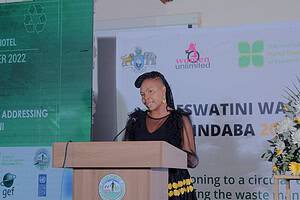
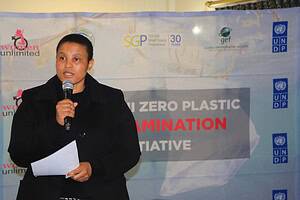
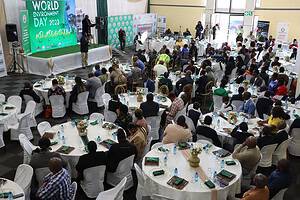
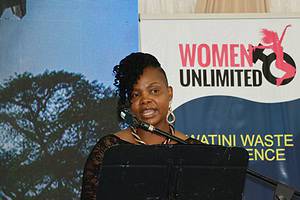
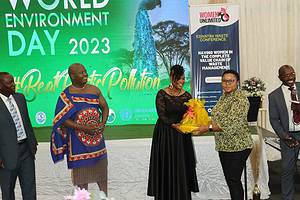
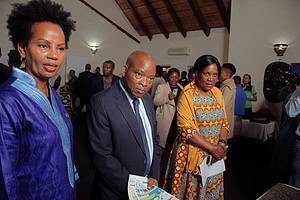

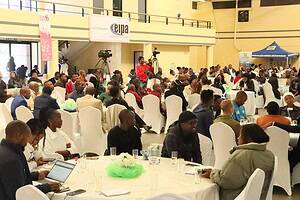

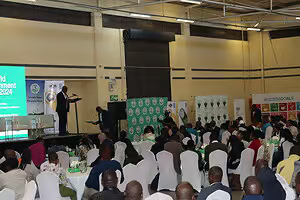
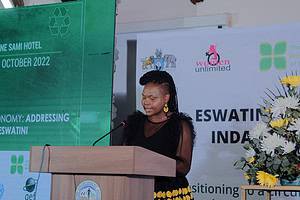
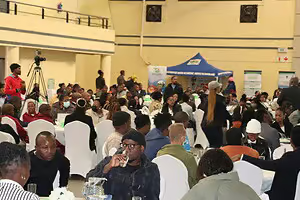
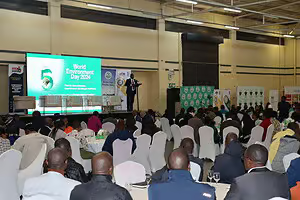

The conference is held annually. The most recent edition took place in June 2025, commemorating World Environment Day.
Government of Eswatini, Development Partners, Private Sector, Parastatals, CSOs
Women Unlimited Eswatini, Eswatini Environment Authority
Government of Eswatini, Development Partners, Private Sector, Parastatals, CSOs,Youth Organisations, Schools and community groups
To create awareness and drive actionable solutions for sustainable waste management, emphasizing women’s participation in recycling initiatives, reduction of plastic pollution, and the development of environmentally conscious communities.
Communities across Eswatini, with a focus on urban and peri-urban areas affected by plastic waste and environmental pollution
Influencing Plastic Policy Reform
Through the Annual Waste Conference, Women Unlimited Eswatini, in partnership with the Eswatini Environment Authority, has played a pivotal role in influencing national policy on plastic use. Building on the successes of the Eswatini Zero Plastic Contamination Initiative, the conference provided a platform for dialogue between government officials, civil society, and community leaders, resulting in strengthened regulations on single-use plastics. The initiative’s advocacy contributed to more stringent enforcement of plastic waste management laws, ensuring a cleaner, safer environment for communities.
Empowering Women-Led Recycling Enterprises
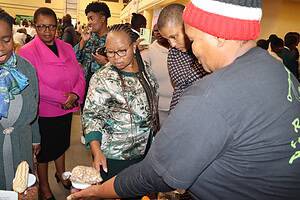
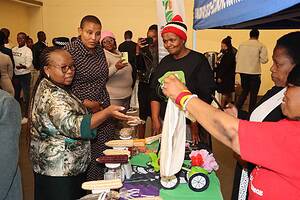
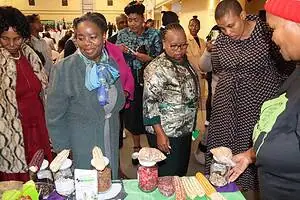
The conference has consistently showcased the potential of women in sustainable waste management. Several women-led recycling businesses were formalized and supported to scale their operations. By sharing these success stories at the conference, participants were inspired to adopt similar initiatives in their communities, turning waste into sustainable livelihoods while reducing environmental pollution.
Raising Community Awareness and Engagement
The Annual Waste Conference has significantly enhanced public understanding of the impacts of plastic pollution. Through interactive workshops, exhibitions, and knowledge-sharing sessions, community members have become active participants in waste reduction. Initiatives such as community clean-ups and recycling drives have been amplified through the conference, inspiring citizens to take ownership of their local environments.
Building Multi-Stakeholder Collaboration
One of the conference’s key achievements has been fostering collaboration among government,Development partner, NGOs, private sector actors,academia and communities. Stakeholders have developed joint strategies to tackle plastic contamination, from collection and recycling to policy advocacy. These partnerships have not only strengthened the national waste management framework but also created long-term, sustainable networks for environmental action.
Demonstrating Measurable Environmental Impact
Through the conference and ongoing environmental activities, significant reductions in plastic pollution have been observed in targeted areas. Communities engaged in these initiatives report cleaner streets, improved waste management systems, and greater environmental consciousness, demonstrating that policy advocacy, community engagement, and empowerment of women and youth can drive tangible environmental change.